If You Need Urgent Help
If you or someone you love is in danger, call or text 988 to reach the 988 Suicide & Crisis Lifeline, or call 911. Resilience Psychiatry is not an emergency service.
This article is educational and is not a substitute for care from a licensed clinician.
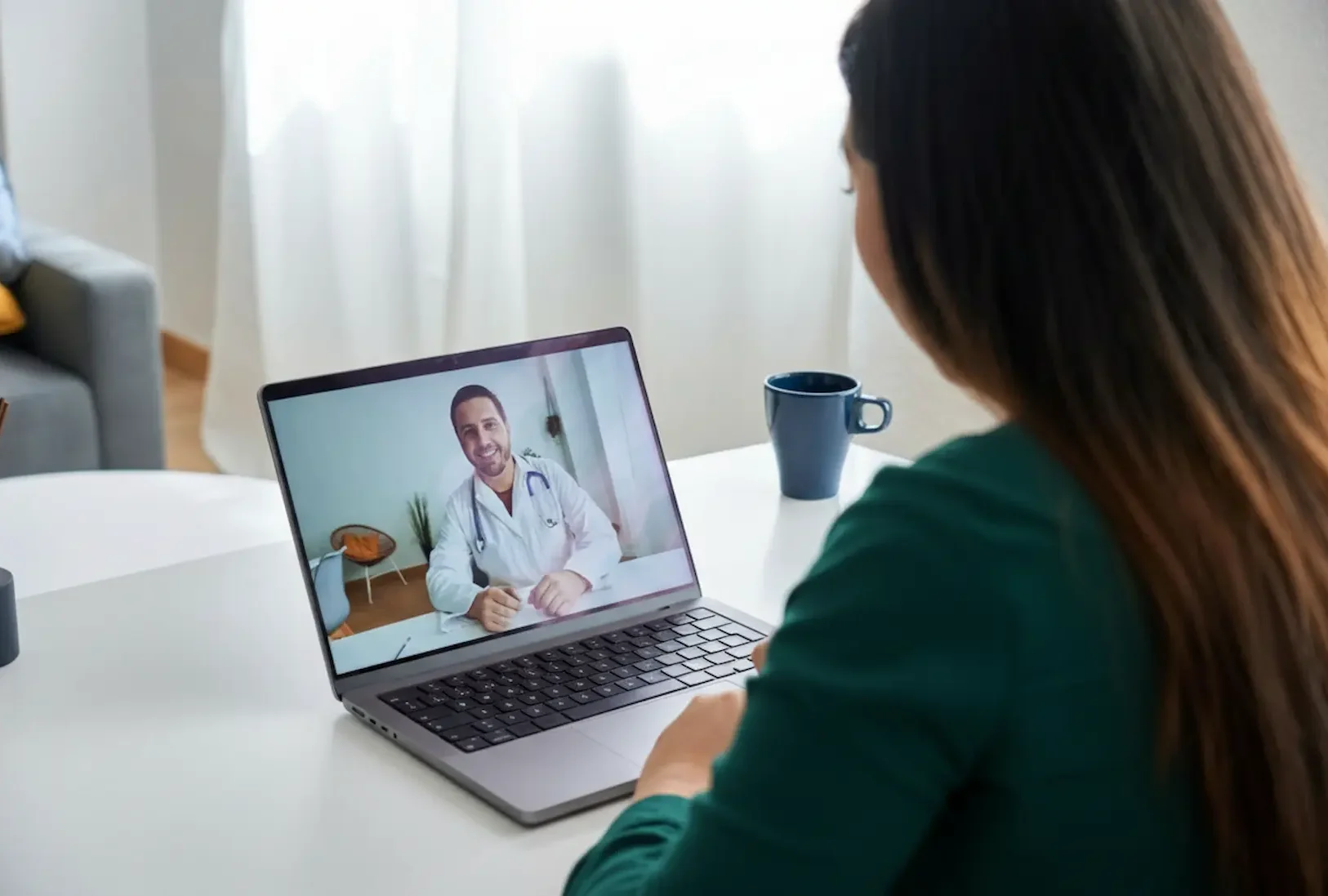
Telehealth Psychiatry brings mental health care to your phone or computer, offering remote psychiatric evaluations, medication management, and psychotherapy using secure video or phone platforms. By removing distance and logistical barriers, virtual care can make support easier to access and keep. This practical guide walks you through how virtual psychiatric visits work , from the first evaluation to medication follow-ups , and covers who it helps, what technical and privacy steps to take, and realistic benefits and limits of virtual care.
How Does the Telehealth Psychiatry Appointment Process Work?
Telehealth Psychiatry visits follow the same clinical steps as in-person care, using digital tools for intake, assessment, and follow-up. The typical flow for telehealth psychiatric visits is simple: schedule and complete intake paperwork, join a secure video session for a clinical interview and mental status exam, and receive a clear treatment plan. Ongoing care happens through secure messaging or follow-up visits. Knowing these steps ahead of time can ease worry and set clear expectations for your online care.
- Schedule your appointment and finish intake forms before the visit.
- Join a secure video session for history-taking, the mental status exam, and diagnosis discussion.
- Get a treatment plan that may include medication and/or therapy recommendations.
- Arrange follow-up appointments, any needed lab monitoring, and confirm how you’ll communicate with your clinician.
Scheduling Option Typical Wait Time Required Intake Materials
Online or phone booking Days to a few weeks depending on availability Photo ID, insurance information (if used), current medication list
Referral from another clinician 1–3 weeks typical Referral notes, prior records, school/work reports if relevant
Same-day or urgent scheduling (limited) Same day to 72 hours when available Brief symptom summary, emergency contact, any immediate safety concerns
What Are the Steps in a Telehealth Psychiatry Evaluation Process?
An online psychiatric evaluation begins with informed consent and intake, recording current symptoms, medical and psychiatric history, medications, and prior treatments. The clinician performs a structured clinical interview and a remote mental status exam by video, often using standardized symptom scales. From that assessment a diagnostic impression is formed and treatment options , psychotherapy, medication, or coordination with local providers , are discussed, all within the convenience of online care.
How to Prepare for Your Telehealth Psychiatry Appointment
Preparation is about privacy and working technology. Choose a quiet, low-distraction space and gather your current medications with dosages, recent records, and a brief summary of the main concerns. Test your camera, microphone, and internet connection about 15 minutes before the visit and close unnecessary apps. If video fails, confirm a phone-visit option. Note any language needs when you schedule. These steps help ensure a focused and useful clinical visit.
Benefits and Advantages of Telehealth Psychiatry
Telehealth Psychiatry expands access to mental health care by removing geographic limits, offering more flexible scheduling, and supporting patients who have mobility or caregiving responsibilities. Virtual visits reduce travel time and make it easier to stay with the same clinician, which can improve treatment adherence. Research shows comparable outcomes to in-person care for many conditions, especially when evidence-based therapies and structured medication follow-up are used, making telehealth a practical, effective option for many people.
- Increased accessibility: Lowers geographic and transportation barriers for rural or homebound patients.
- Convenience and flexibility: Easier scheduling and shorter waits help people balance work and caregiving.
- Continuity of care: Regular follow-up and medication monitoring are simpler, which reduces gaps in treatment.
- Reduced stigma and comfort: Receiving care from a familiar setting can make it easier to seek and continue treatment.
How Does Telehealth Psychiatry Improve Accessibility and Convenience?
Telehealth allows licensed clinicians to reach patients across wider areas and cuts commute time with flexible appointment options. For people juggling jobs, childcare, or limited transport, home-based care reduces practical barriers and supports better adherence. Bilingual clinicians and translation services further reduce language obstacles. Evidence supports telepsychiatry’s value in expanding access and maintaining quality.
Is Telehealth Psychiatry as Effective as In-Person Care?
Studies indicate Telehealth Psychiatry produces clinical outcomes similar to in-person care for common conditions such as anxiety and depression, when evidence-based therapies and structured medication follow-up are used. Patients report high satisfaction and measurable symptom improvement. Telehealth has limits, however, conditions that need hands-on physical exams, emergency presentations, or complex diagnostic testing may still require an in-person visit.
Telehealth Psychiatry: Medication Management Explained
Telehealth medication management follows a clear process: assessment and diagnosis, shared decision-making, electronic prescribing, and planned follow-up for dose adjustments and safety checks. Clinicians use symptom rating scales and direct questions to monitor effectiveness and side effects, and arrange local lab testing when needed. Prescribing controlled substances via telehealth is subject to state and federal rules and in some cases may require an in-person visit or additional documentation.
Medication Monitoring Approach Typical Telehealth Consideration
Non-controlled medications (antidepressants, mood stabilizers) Symptom scales, scheduled video follow-up, lab monitoring arranged locally Often prescribed by e-prescription after the initial evaluation with remote follow-up
Controlled substances (stimulants, certain anxiolytics) More frequent check-ins, possible urine testing, state-specific restrictions May require an in-person visit or extra documentation depending on state rules and federal law (for example, the Ryan Haight Act)
PRN or short-term medications (sleep aids) Follow-up within 1–4 weeks for effectiveness and safety; dose adjustments by telehealth E-prescribing commonly used; urgent concerns can be triaged by phone
How Telehealth Psychiatry Handles Prescriptions and Medication Adjustments
After assessment, clinicians send prescriptions electronically to your chosen pharmacy with clear dosing instructions and a follow-up plan. Appointments are arranged for titration, side-effect checks, and evaluating effectiveness. Report concerning side effects promptly via secure messaging or by phone. Clinicians can coordinate local lab monitoring or work with your primary care provider and provide a superbill when needed. Open communication and planned monitoring help keep remote prescribing safe.
State Regulations for Telehealth Psychiatry Medication Management
Clinicians must be licensed in the state where the patient is located to provide Telehealth Psychiatry services. Controlled substance prescribing carries additional state and federal restrictions, some medications may require an in-person visit, special documentation, or enrollment in prescription monitoring programs. The Ryan Haight Online Pharmacy Consumer Protection Act historically required at least one in-person evaluation before prescribing controlled substances, though exceptions and temporary waivers have applied. Practices usually note state-specific policies in intake and consent forms. For patients paying out of network, many telehealth providers offer superbills for reimbursement.
Which Mental Health Conditions Can Telehealth Psychiatry Effectively Treat?
Telehealth Psychiatry can effectively treat many conditions, including anxiety, depression, PTSD, ADHD, OCD, and stable bipolar disorder, when appropriate safeguards are in place. Core elements of effective treatment, structured psychotherapy (such as CBT), careful medication management, and regular symptom monitoring, translate well to virtual care. Clinicians will recommend in-person evaluation or higher levels of care when necessary, for acute safety crises, significant diagnostic uncertainty, or urgent medical needs.
How Does Telehealth Psychiatry Support Anxiety, Depression, and PTSD?
For anxiety, depression, and PTSD, telepsychiatry delivers evidence-based psychotherapy (CBT and trauma-focused approaches) and medication management with outcomes comparable to in-person care. Sessions use structured methods adapted for remote delivery, and clinicians monitor progress with validated symptom scales and supportive digital tools. The virtual format also allows timely medication changes and closer follow-up, helping prevent gaps in care.
Can Telehealth Psychiatry Address ADHD and Other Disorders?
Telehealth Psychiatry supports ADHD assessment and management using clinical interviews, rating scales, and collateral input from family or teachers when relevant. Medication plans require careful baseline assessment, regular follow-up, and behavioral strategies; remote symptom tracking helps guide dosing. Some services, like formal neuropsychological testing, may still require in-person visits. Stimulant prescribing is influenced by state controlled-substance rules. For complex disorders, clinicians commonly combine telehealth with local referrals and in-person testing as needed.
Technology and Privacy Measures for Telehealth Psychiatry
Safe telehealth care depends on basic technical standards plus strong privacy practices. Patients should use a private room, a device with a working camera and microphone, and a reliable internet connection; clinicians use HIPAA-compliant video platforms and secure patient portals. Encryption, secure record storage, and documented informed consent are standard safeguards to protect confidentiality and meet regulatory expectations for Telehealth Psychiatry services.
- Device: Laptop, tablet, or smartphone with a functioning camera and microphone.
- Connectivity: Stable broadband; test your speed if possible before the visit.
- Environment: Quiet, private room with minimal interruptions and a neutral background.
- Security: Use headphones, enable Do Not Disturb, and avoid public Wi‑Fi when you can.
Equipment and Internet Access for Telehealth Psychiatry Sessions
You’ll need a modern smartphone, tablet, or computer with an up‑to‑date browser or app, plus a working camera and microphone and an internet connection that supports video conferencing. Aim for broadband speeds, close unnecessary apps, and test audio/video before your appointment. If video isn’t possible, a phone visit can be a fallback. Preparing your equipment ahead of time reduces interruptions.
How Is Patient Confidentiality Maintained in Telehealth Psychiatry?
Confidentiality is preserved through HIPAA-compliant video platforms, encrypted messages, secure patient portals, and informed consent. Clinicians will explain situations that legally require disclosure, such as imminent risk of harm, and work with you on a safety plan. You can protect your privacy by using headphones, selecting a private room, and disabling notifications. Clear record-storage procedures and ethical practice help ensure virtual care meets privacy and safety standards.
How Does Resilience Psychiatry Provide Expert Telehealth Psychiatry Services?
Resilience Psychiatry, based in East Setauket, provides comprehensive mental health care, psychiatric evaluations, medication management, and psychotherapy, both in person and via secure Telehealth Psychiatry for patients in New York and Florida. The team includes board-certified psychiatrists and licensed therapists, offers bilingual services, and operates out-of-network with superbills available. To schedule a telehealth appointment, call the practice to discuss availability and your needs; clinicians follow a consistent telehealth workflow to coordinate your care.
Board-Certified Providers Offering Telehealth Psychiatry
Resilience Psychiatry’s clinical team includes Dr. Ricardo Cáceda (board-certified psychiatrist), Dr. Jessica Carbajal Cáceda (board-certified child and adolescent psychiatrist), and Ariel Breidenbach, LMSW (licensed therapist). They provide evaluations, medication management, and psychotherapy through secure Telehealth Psychiatry in New York and Florida, with bilingual support. The team coordinates care, arranges monitoring, and supplies superbills; patients can call to confirm licensure and coverage for Telehealth Psychiatry.
Bilingual and Regional Telehealth Psychiatry Services in New York and Florida
Resilience Psychiatry offers Telehealth Psychiatry services to patients in New York and Florida, with care available in English and Spanish. The practice operates out-of-network and provides superbills for reimbursement. Clinicians follow state licensure rules, confirming that the patient’s location permits virtual treatment. By combining bilingual clinicians, secure telehealth platforms, and administrative support, the practice makes Telehealth Psychiatry accessible and practical.
Frequently Asked Questions About Telehealth Psychiatry
What Technology is Best for Telehealth Psychiatry Sessions?
Use a device with a camera and microphone (laptop, tablet, or smartphone) and an up‑to‑date browser or app. A stable broadband connection helps ensure clear video and audio. Test your equipment before the appointment and consider headphones for privacy and better sound. A quiet, private environment also improves the session.
Ensuring Privacy and Security in Your Telehealth Psychiatry Appointment
Choose a quiet, private space and use a HIPAA-compliant video platform. Use headphones and turn off notifications. Clinicians will explain confidentiality limits (for example, mandated reporting) and review safety planning. These steps create a safer space for sharing sensitive information.
What should I do if I experience technical issues during my Telehealth Psychiatry appointment?
If you have technical problems, check your internet, camera, and microphone first. If video won’t connect, ask whether a phone visit is acceptable. Have a backup plan, such as a second device or alternate location, and tell your clinician right away so they can help you reconnect or reschedule.
Specific Conditions Telehealth Psychiatry Cannot Treat
Although Telehealth Psychiatry works well for many conditions, some situations require in-person care, such as hands-on physical exams, acute safety crises, or complex diagnostic testing. Severe psychiatric emergencies or conditions that need immediate medical intervention may require local, in-person treatment. Clinicians assess each case individually and arrange in-person referrals when appropriate.
Finding a Telehealth Psychiatrist for Telehealth Psychiatry
Ask about bilingual services when you schedule; many practices, including Resilience Psychiatry, offer care in English and Spanish. You can also search provider directories or telehealth platforms to filter providers by language.
What to Expect During Your First Telehealth Psychiatry Appointment
Your first Telehealth Psychiatry visit follows a structured process similar to an in-person evaluation. It begins with consent and intake, collecting symptoms, medical history, and treatment goals, then a clinical interview and mental status exam by video. The clinician will review options and outline a follow-up plan for your ongoing Telehealth Psychiatry care.
Start With a Conversation
Whether you are seeking answers for yourself or someone you love, a psychiatric evaluation is the first step toward clarity. Our team provides compassionate, evidence-based care in Setauket, NY and via telehealth across New York and Florida.
Resilience Psychiatry | Setauket, NY | Serving New York and Florida via Telehealth