Crisis Resources for Immediate Mental Health Support
If you or someone you know is in immediate danger, call 911 or go to the nearest emergency department now.
Resilience Psychiatry is not a crisis center and cannot provide immediate emergency response. This page is here to help you quickly find 24-hour crisis resources, suicide prevention support, substance use referral support, domestic violence support, and Long Island emergency mental health resources.
Use this page as a quick reference. If you feel unsafe, are thinking about harming yourself or someone else, or cannot stay safe, call 911, call or text 988, or go to the nearest emergency department.
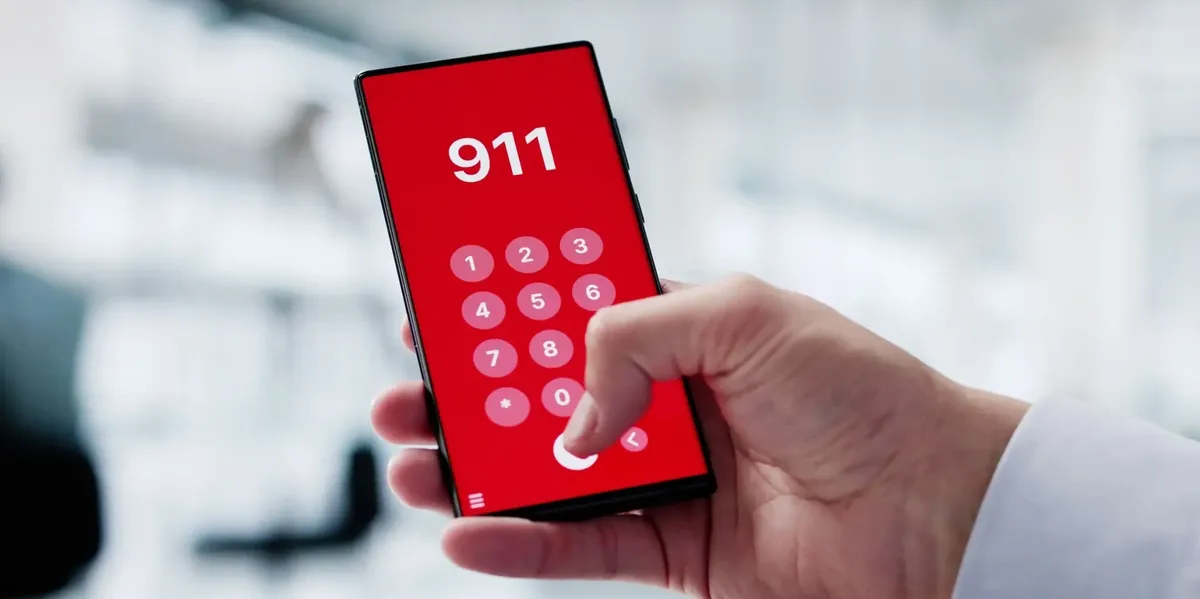
If You Are in Crisis
If you or someone nearby is at immediate risk of harm, do not wait for a psychiatry appointment or office callback.
- Call 911 or go to the nearest emergency department for immediate danger.
- Call or text 988 for the 988 Suicide & Crisis Lifeline.
- Text HOME to 741741 for Crisis Text Line support in the United States.
- Use local crisis services below if you are in Suffolk County, Nassau County, or elsewhere on Long Island.
National Crisis Resources
These resources are available for urgent emotional distress, suicidal thoughts, mental health crisis, substance use concerns, domestic violence, and veteran-specific support.
911 or Emergency Department
Call 911 or go to the nearest emergency department if someone is in immediate danger, has a medical emergency, or cannot stay safe.
988 Suicide & Crisis Lifeline
Call, text, or chat 988 for free, confidential support 24/7/365 during suicidal crisis, emotional distress, mental health crisis, or substance use-related crisis.
Crisis Text Line
Text HOME to 741741 from anywhere in the United States to connect with a trained crisis counselor. Support is free, confidential, and available 24/7.
Veterans Crisis Line
Veterans, service members, National Guard and Reserve members, and those who support them can call 988, then press 1, or text 838255.
National Domestic Violence Hotline
Call 1-800-799-SAFE, chat online, or text START to 88788 for confidential help. If internet use may be monitored, call the hotline or clear browser history after visiting.
SAMHSA National Helpline
Call 1-800-662-HELP for free, confidential, 24/7 treatment referral and information for mental health, drug, or alcohol use concerns.

If a child, teen, or adult is unsafe, overwhelmed, or unable to care for themselves, use crisis resources now.
Long Island and Local Crisis Resources
For local mental health crisis support in Suffolk County, Nassau County, and Long Island, these resources may help connect someone to crisis response, mobile crisis services, psychiatric emergency care, or crisis counseling.
Call 911 first if there is immediate danger. Use these resources when a person may need crisis triage, mobile response, psychiatric emergency evaluation, or local crisis support.
Mobile Crisis Team
(631) 952-3333Connects callers to Suffolk County crisis triage and Mobile Crisis Team support.
For Suffolk County mental health or substance use crisis support.Mobile Crisis Team
(516) 227-8255Call 516-227-TALK for Nassau County Mobile Crisis Team support.
For adults and children experiencing emotional or psychiatric crisis in Nassau County.Stony Brook CPEP
(631) 444-6050Comprehensive Psychiatric Emergency Program for urgent psychiatric evaluation.
Available 24 hours per day, 7 days per week through Stony Brook Medicine.Long Island Crisis Center
(516) 679-111124/7 crisis and suicide hotline support for Long Island residents.
Free, confidential crisis hotline support by phone.How Resilience Psychiatry Can Help After a Crisis
Resilience Psychiatry does not provide emergency crisis intervention. Once you are safe and stabilized, the office can help with ongoing psychiatric care, follow-up planning, and post-crisis support.
- Ongoing management of anxiety, depression, trauma, mood symptoms, or stress after a crisis
- Medication review, adjustment, or maintenance when clinically appropriate
- Therapy referrals, treatment planning, and coordination of care
- Follow-up psychiatric care after emergency department, hospital, or crisis center discharge
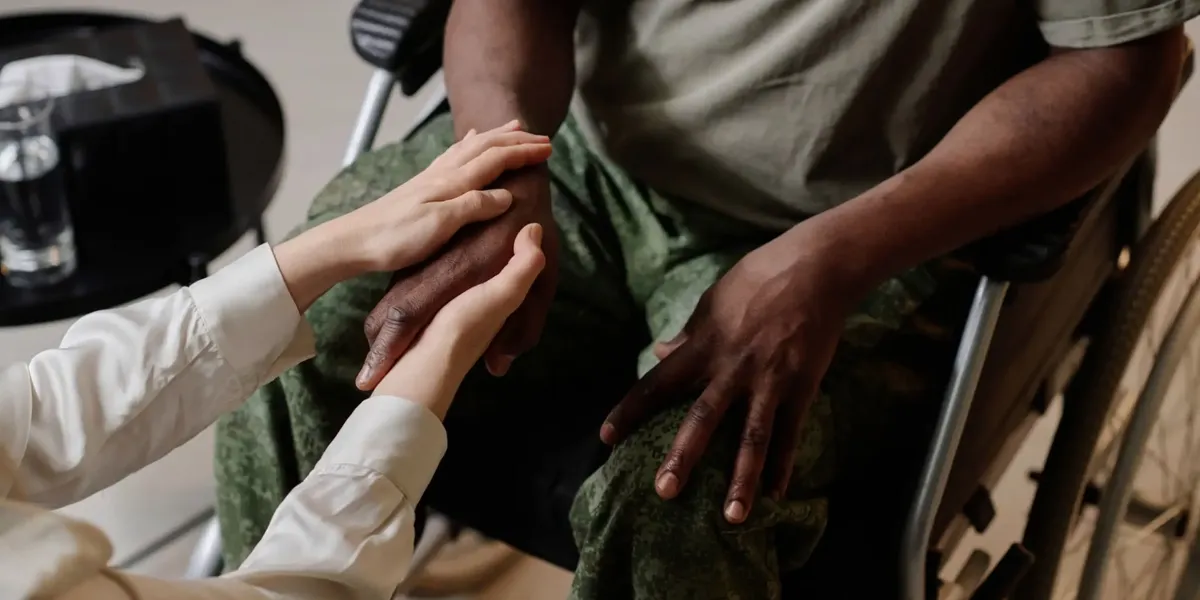
After immediate safety needs are addressed, ongoing psychiatric care can support recovery, planning, and continuity.
When to Use Crisis Resources
Use crisis resources when safety, immediate support, or urgent evaluation is needed. Do not wait for a scheduled appointment if the situation may be dangerous.
Call 911
Use 911 for immediate danger, medical emergency, violence, overdose, life-threatening risk, or inability to stay safe.
Call or Text 988
Use 988 for suicidal thoughts, emotional distress, mental health crisis, substance use crisis, or when you need a crisis counselor now.
Use Local Crisis Services
Use local mobile crisis or psychiatric emergency services when someone may need in-person crisis evaluation or community-based support.

If you are not sure whether it is an emergency, choose the safer option and reach out for immediate help.
If You Are Not Sure What to Do
If you feel unsafe, overwhelmed, unable to care for yourself, afraid you may hurt yourself, or afraid someone else may be harmed, it is better to reach out for immediate support.
Call or text 988 for crisis counseling. Call 911 or go to the nearest emergency department for immediate danger or urgent medical risk.
Frequently Asked Questions
Quick answers about crisis support and when to contact Resilience Psychiatry.
Can I call Resilience Psychiatry in an emergency?
No. Resilience Psychiatry is not a crisis center and cannot provide immediate emergency response. If you are in crisis or unsafe, call 911, call or text 988, or go to the nearest emergency department. Once you are safe and stable, the office can assist with follow-up and long-term care.
What if I am not sure if it is an emergency?
If you feel unsafe, overwhelmed, unable to care for yourself, or worried that someone may be harmed, it is best to reach out now. Call or text 988 for crisis support. Call 911 for immediate danger.
Does 988 replace 911?
No. Use 988 for mental health crisis counseling, suicide crisis support, emotional distress, or substance use-related crisis support. Use 911 for immediate danger, medical emergency, violence, overdose, or life-threatening risk.
Can I use these resources for someone else?
Yes. If you are worried about a friend, family member, child, teen, veteran, or partner, you can call 988, use a local crisis line, or call 911 if there is immediate danger.
Does Resilience Psychiatry coordinate after a crisis?
Yes, when appropriate and once the patient is safe and stabilized, Resilience Psychiatry can support follow-up psychiatric care, medication management, therapy referrals, and coordination with hospitals or other providers.
Need Follow-Up Care After a Crisis?
If you are safe and stabilized, Resilience Psychiatry can help with ongoing psychiatric care, medication management, therapy referrals, and continuity after a crisis, emergency department visit, or hospitalization.
Practice Information
Use the practice contact information only for non-emergency scheduling, follow-up care, or post-crisis continuity once immediate safety needs have been addressed.
- Practice line: (631) 371-4844
- Office: Resilience Psychiatry, 46 NY-25A, Suite 4, East Setauket, NY 11733
- Emergency: Call 911 or go to the nearest emergency department.
- Crisis support: Call or text 988.

Long-term recovery can include psychiatric care, therapy, medication support, and coordination after the immediate crisis has passed.