PTSD Treatment in East Setauket, NY
Post-Traumatic Stress Disorder (PTSD) can develop after experiencing or witnessing a traumatic event.
It is not a sign of weakness. PTSD is a natural response to overwhelming stress that can affect both the mind and body.
At Resilience Psychiatry, we provide trauma-informed, compassionate care designed to help patients process experiences safely, reduce symptoms, and regain a sense of calm and control.

Understanding PTSD
Post-Traumatic Stress Disorder (PTSD) can develop after experiencing or witnessing a traumatic event.
It is not a sign of weakness. PTSD is a natural response to overwhelming stress that can affect both the mind and body.
If symptoms have persisted for more than a month or interfere with your daily life, professional treatment can help.
Common Symptoms of PTSD
PTSD symptoms can vary but often include:
- Flashbacks or distressing memories of the trauma
- Nightmares or sleep disturbances
- Avoidance of reminders of the event
- Hypervigilance or feeling on edge
- Emotional numbness or detachment
- Irritability or anger outbursts
- Difficulty concentrating or relaxing
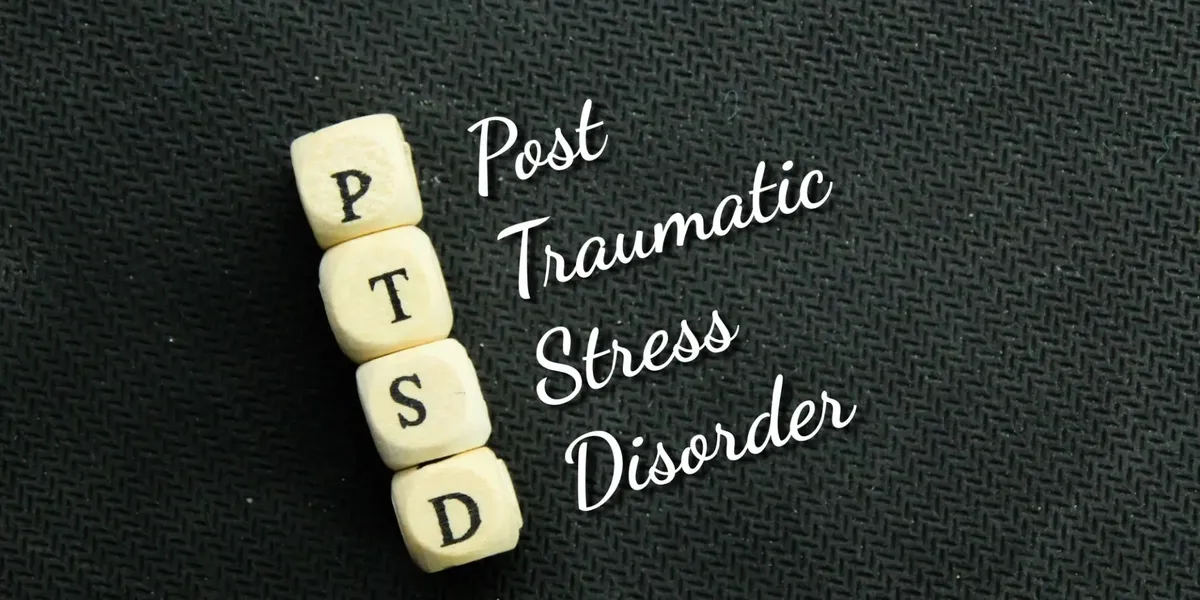
PTSD can involve distressing memories, avoidance, hypervigilance, emotional numbness, and changes in sleep or concentration.
When PTSD Symptoms Interfere With Daily Life
Trauma symptoms may affect relationships, work, school, sleep, mood, and physical stress response. Some patients feel constantly alert, while others feel numb, detached, or disconnected from daily life.
A psychiatric evaluation can help clarify symptoms, safety needs, related conditions, and what treatment options may be appropriate.
Our Approach to Treating PTSD
Every patient’s experience of trauma is unique. Treatment begins with a comprehensive psychiatric evaluation to understand your history, symptoms, and support system.
Psychiatric Evaluation
Care begins with an evaluation to understand trauma history, symptoms, sleep, anxiety, mood, safety needs, and support systems.
Trauma-Focused Psychotherapy
Psychotherapy may include trauma-focused approaches such as Cognitive Behavioral Therapy (CBT) or exposure-based approaches.
Medication Management
Medication management may help reduce anxiety, nightmares, depression, or related symptoms when clinically appropriate.
Grounding and Stability
Mindfulness, grounding techniques, sleep support, stress reduction, and telepsychiatry may help support daily stability.
Trauma-Informed Care That Emphasizes Safety
Your personalized plan may include trauma-focused psychotherapy, medication management, mindfulness and grounding techniques, lifestyle recommendations to improve sleep and stress response, and telepsychiatry for private, convenient access to care.
Our trauma-informed care emphasizes safety, collaboration, and empowerment throughout your recovery.

PTSD treatment may include trauma-focused psychotherapy, medication management, grounding skills, and ongoing psychiatric support.
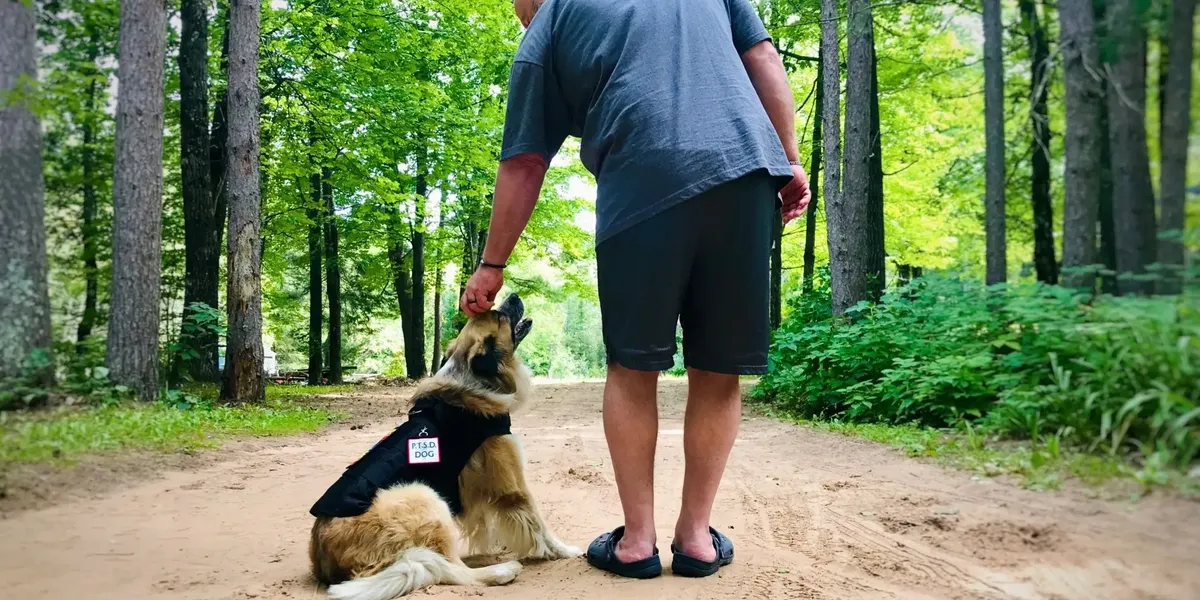
Care may focus on safety, trust, daily stability, and reducing barriers to consistent support.
Telepsychiatry for PTSD Treatment
We understand that trauma recovery requires trust and comfort.
Secure telepsychiatry sessions allow eligible patients to connect with their psychiatrist from home when located in New York or Florida at the time of the appointment.
Telepsychiatry may be appropriate for psychiatric evaluation, medication management, follow-up care, and treatment planning. Some symptoms or safety concerns may require in-person or higher-level care.
Why Choose Resilience Psychiatry
- Trauma-informed psychiatric care
- Evidence-based treatment combining therapy and medication when appropriate
- In-person appointments in East Setauket, NY
- Telepsychiatry available for convenience and privacy
- Bilingual care, English and Spanish
We help patients rebuild trust, regain control, and find resilience after trauma.
Related Care Options
PTSD may overlap with anxiety, depression, panic symptoms, sleep problems, or adjustment-related stress. These pages may help you find the right next step.
Frequently Asked Questions
Answers to common questions about PTSD symptoms, treatment, medication, psychotherapy, and telehealth.
What causes PTSD?
PTSD can develop after experiencing or witnessing a traumatic event. It is a natural response to overwhelming stress that can affect both the mind and body.
Is PTSD treatable?
Yes. Professional treatment can help reduce symptoms and support recovery. Care may include trauma-focused psychotherapy, medication management when appropriate, grounding techniques, and lifestyle support for sleep and stress response.
Can PTSD treatment be done through telehealth?
Telepsychiatry may be appropriate for eligible patients located in New York or Florida at the time of the appointment. Some symptoms or safety concerns may require in-person or higher-level care.
When should I seek help for PTSD symptoms?
If symptoms have lasted more than a month, interfere with daily life, affect sleep or relationships, or make you feel unsafe, professional care can help clarify next steps.
Related Services
Explore the services most often connected to PTSD evaluation and treatment.
Get Support for PTSD
Discover compassionate, evidence-based care for trauma recovery at Resilience Psychiatry. Support is available in person in East Setauket and by telepsychiatry for eligible patients in New York and Florida.
Visit Resilience Psychiatry in East Setauket
Appointments are available in person at the East Setauket office and through telepsychiatry for eligible patients in New York and Florida.
Need urgent help?
This practice is not an emergency service. If you or someone you love is in danger, call or text 988 to reach the 988 Suicide & Crisis Lifeline, or call 911.
For local 24/7 support in Suffolk County, call (631) 952-3333.