Bipolar Disorder Treatment in East Setauket, NY
Evidence-based psychiatric care for mood episodes, depression, mania, hypomania, sleep disruption, and long-term mood stability.
Bipolar disorder is a mood condition marked by episodes of depression and periods of elevated or irritable mood, mania or hypomania.
These shifts can affect energy, judgment, sleep, work, school, and relationships. With the right diagnosis, treatment plan, and follow-up support, bipolar disorder can often be managed more effectively over time.

Understanding Bipolar Disorder
Bipolar disorder involves shifts in mood, energy, sleep, activity level, judgment, and functioning. Some people experience depression and manic episodes. Others experience depression and hypomania, a less intense form of elevated or irritable mood.
Because mood symptoms can overlap with depression, anxiety, ADHD, trauma, substance use, sleep issues, and medical concerns, a comprehensive psychiatric evaluation is important before building a treatment plan.
Symptoms May Include
- Periods of depression, low mood, low motivation, or loss of interest
- Periods of elevated, expansive, or irritable mood
- Changes in sleep, including needing much less sleep than usual
- Increased energy, activity, impulsivity, or risk-taking
- Racing thoughts or feeling unusually driven or restless
- Difficulty with judgment, relationships, work, or school during mood episodes
- Changes in confidence, speech, spending, behavior, or decision-making
Types of Bipolar Disorder
Different bipolar presentations require careful diagnosis and a treatment plan that fits the person, not just the label.
Bipolar I Disorder
Bipolar I disorder involves manic episodes that may last a week or longer, often alternating with depressive episodes.
Bipolar II Disorder
Bipolar II disorder involves patterns of depression and hypomania, which is a less intense elevation of mood.
Diagnostic Clarity
Accurate diagnosis matters because treatment recommendations can differ depending on mood history, sleep patterns, safety needs, medication history, and symptom course.

Treatment may support mood stability, sleep consistency, emotional regulation, and relapse prevention over time.
Our Approach to Bipolar Disorder Treatment
Treatment at Resilience Psychiatry starts with a comprehensive psychiatric evaluation to understand symptoms, triggers, history, prior treatment, safety needs, sleep patterns, and personal goals.
From there, the treatment plan may include medication management, psychotherapy, sleep and lifestyle planning, collaborative care, and telepsychiatry when clinically appropriate.
- Mood-stabilizing medication to regulate emotional highs and lows when appropriate
- Psychotherapy to identify early warning signs and strengthen coping strategies
- Sleep and lifestyle planning to support stability
- Collaborative care with therapists or primary care providers when appropriate
- Telepsychiatry for continuity and flexibility when clinically appropriate
Core Parts of Care
Bipolar disorder treatment usually works best when care is consistent, proactive, and adjusted over time.
Comprehensive Evaluation
Evaluation reviews mood history, depressive episodes, manic or hypomanic symptoms, sleep, functioning, medical history, family history, safety, and past treatment.
Medication Management
Medication may be used to reduce mood episode frequency, stabilize mood, support sleep, and lower relapse risk when clinically appropriate.
Psychotherapy Support
Therapy may help patients identify mood episode warning signs, strengthen routines, manage stress, and improve communication and coping skills.
Follow-Up and Prevention
Ongoing follow-up helps monitor progress, side effects, sleep patterns, mood changes, relapse signs, and treatment adjustments.
Medication Management and Ongoing Monitoring
Medication management for bipolar disorder should be careful, consistent, and individualized. The right plan depends on diagnosis, symptom history, medical factors, previous medication response, safety needs, and patient goals.
Follow-up visits may review mood stability, sleep, energy, irritability, side effects, medication adherence, stressors, and early warning signs.
Important: Medication choices should be discussed directly with a psychiatrist. This page is educational and does not replace an individualized evaluation.
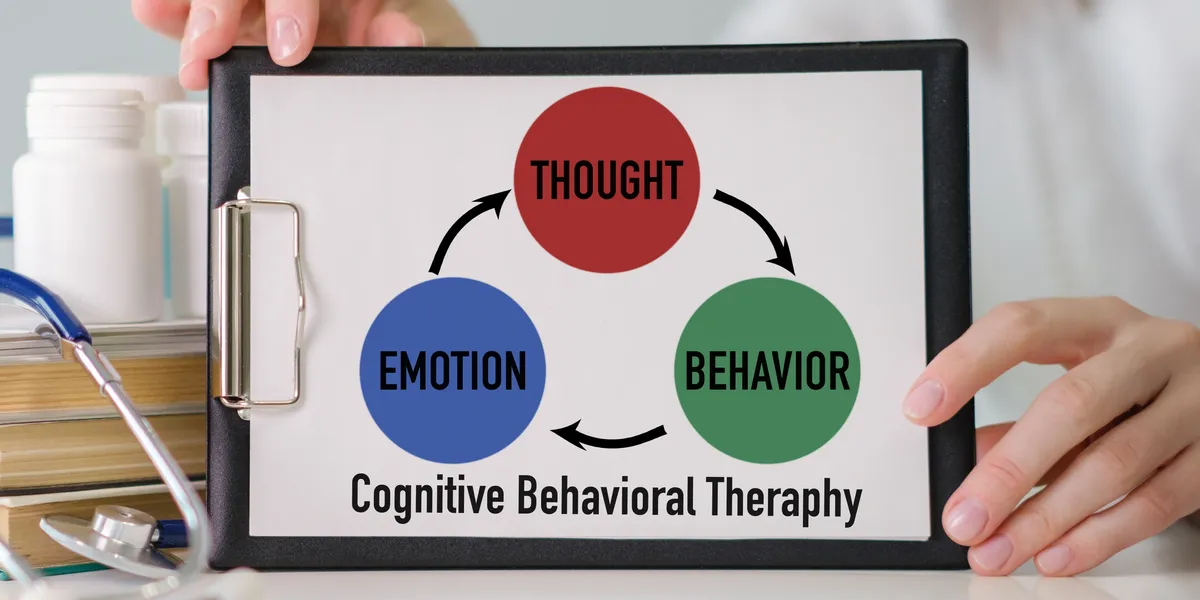
Therapy can support awareness of mood patterns, stress triggers, routines, coping strategies, and relapse prevention planning.
Telepsychiatry for Bipolar Disorder
Telepsychiatry may support continuity and flexibility for eligible patients who need ongoing bipolar disorder treatment.
Online appointments may be used for psychiatric evaluation, medication management, treatment planning, and follow-up when clinically appropriate. Some situations may still require in-person care, urgent evaluation, or a higher level of support.
Location Requirements
For telepsychiatry, the patient must be physically located in the state where the clinician can legally provide care at the time of the appointment.
Resilience Psychiatry provides in-person appointments in East Setauket and telepsychiatry for eligible patients in New York and Florida.

Telepsychiatry may help eligible patients stay consistent with follow-up visits and mood monitoring.
Living Well With Bipolar Disorder
Bipolar disorder can often be managed with the right combination of treatment, education, follow-up, and support.
We work closely with each patient to track patterns, recognize early warning signs, reduce relapse risk, and support long-term stability and self-awareness.
- Track mood, sleep, energy, irritability, and stress patterns
- Develop a plan for early warning signs
- Maintain consistent follow-up appointments
- Review medication response and side effects over time
- Strengthen routines that support sleep and mood stability
- Coordinate care with other professionals when appropriate
Why Choose Resilience Psychiatry
- Board-certified psychiatrist with experience in mood disorders
- Personalized, evidence-based treatment plans
- In-person appointments in East Setauket, NY
- Telepsychiatry available for eligible patients in New York and Florida
- Bilingual care, English and Spanish
When to Seek Professional Support
Consider reaching out if mood changes are affecting sleep, judgment, relationships, work, school, spending, impulsivity, safety, or daily functioning.
If you or someone else may be in immediate danger, do not wait for an appointment. Call 911, call or text 988, or go to the nearest emergency department.
Frequently Asked Questions
Answers to common questions about bipolar disorder evaluation, medication management, telepsychiatry, and urgent symptoms.
How is bipolar disorder diagnosed?
Bipolar disorder is diagnosed through a comprehensive psychiatric evaluation that reviews mood episodes, depressive symptoms, manic or hypomanic symptoms, sleep, functioning, safety, medical history, family history, and prior treatment. Diagnosis should be made by a qualified mental health professional.
Do all patients with bipolar disorder need medication?
Treatment is individualized. Many patients with bipolar disorder benefit from medication management, especially when mood episodes affect safety, sleep, judgment, functioning, or relapse risk. Your psychiatrist will review benefits, risks, alternatives, and follow-up needs with you.
Can I receive bipolar disorder treatment through telepsychiatry?
Telepsychiatry may be appropriate for eligible patients in New York or Florida when online care fits the clinical situation. Some symptoms, safety concerns, medication issues, or crisis situations may require in-person evaluation or emergency support.
Is bipolar disorder the same as depression?
No. Depression involves depressive symptoms. Bipolar disorder includes depressive episodes plus periods of mania or hypomania. Because the treatment approach may differ, accurate diagnosis is important.
What should I track between visits?
It can help to track mood, sleep, energy, irritability, impulsivity, stress, medication use, side effects, and major life changes. Bring concerns to follow-up visits so your clinician can adjust the plan when appropriate.
What if symptoms feel urgent?
If you feel unsafe, are at risk of harming yourself or someone else, or cannot stay safe, call 911, call or text 988, or go to the nearest emergency department. Resilience Psychiatry is not an emergency service.
Related Services and Conditions
These pages may help patients understand connected services and related concerns.
Get Support for Bipolar Disorder
Start with a comprehensive evaluation and a treatment plan built around your symptoms, history, goals, and safety needs.
Visit Resilience Psychiatry in East Setauket
Appointments are available in person at the East Setauket office and through telepsychiatry for eligible patients in New York and Florida.
Need urgent help?
This practice is not an emergency service. If you or someone you love is in danger, call or text 988 to reach the 988 Suicide & Crisis Lifeline, or call 911.
For local 24/7 support in Suffolk County, call (631) 952-3333.