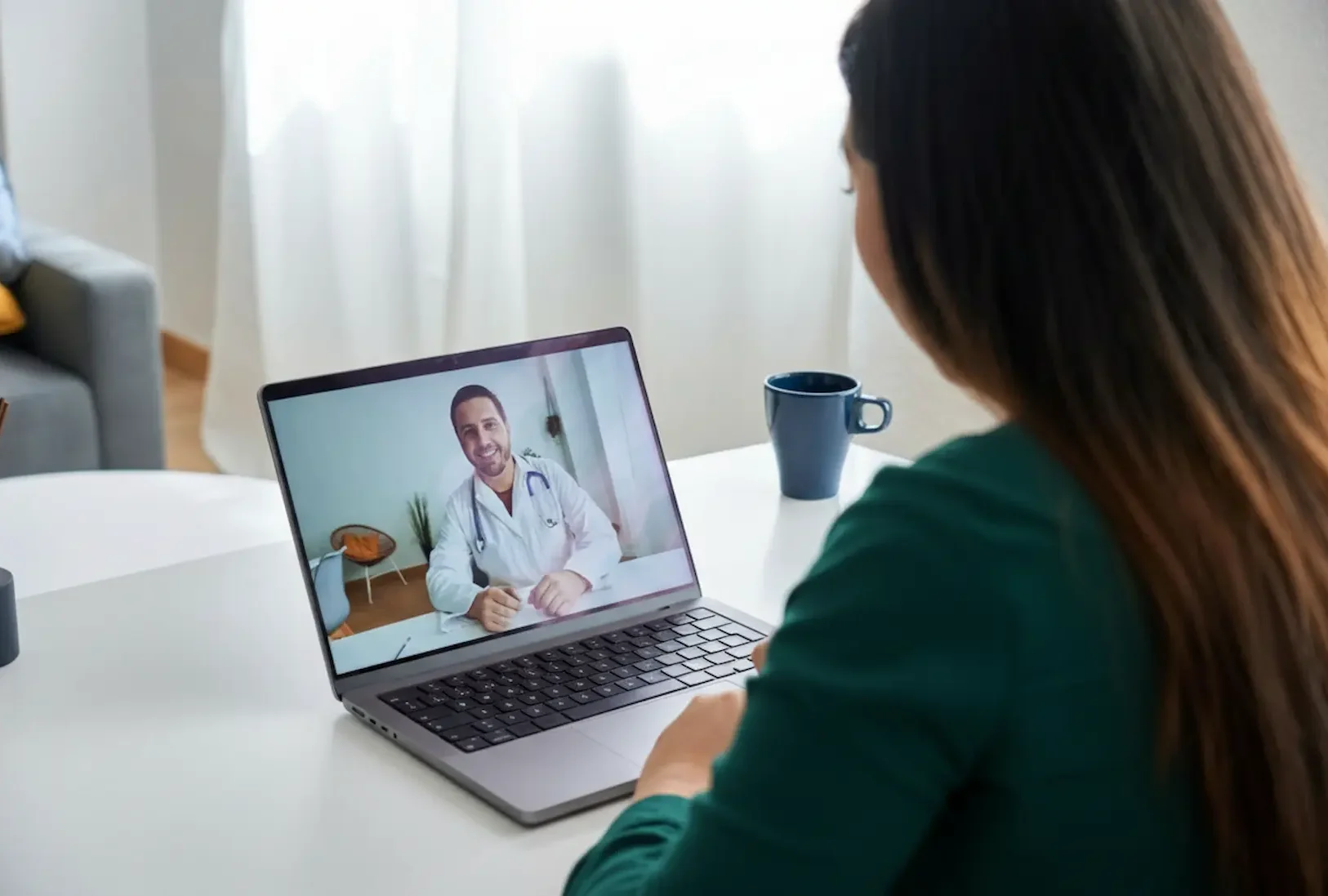
Telehealth for Psychiatric Care provides comprehensive mental health support—from psychiatric assessment and medication management to psychotherapy—delivered securely over video and other telecommunication tools. By removing the need for in-person clinic visits, virtual care helps overcome common barriers such as long commutes, limited mobility, caregiving responsibilities, and stigma. This guide outlines the main advantages of telehealth psychiatric care, compares it to in-person services, explains when it’s appropriate, and shows how to begin virtual care.
Key advantages of telehealth for psychiatric care
Telehealth for Psychiatric Care brings practical gains: easier access and scheduling, greater privacy and comfort, strong clinical outcomes, better continuity of care, and lower indirect costs. These benefits come from removing geographic and logistical hurdles, letting people meet with clinicians in private spaces, and maintaining treatment through remote follow-ups and online medication management. For industry guidance, see resources from the American Telemedicine Association. Below is a clear summary of telepsychiatry’s main benefits.
Key benefits of telepsychiatry
| Benefit | Description |
|---|---|
| Convenience | Join appointments from home, work, or another private place—no travel required. |
| Accessibility | See specialists even if local options are limited by distance or mobility. |
| Privacy and comfort | Virtual visits can reduce stigma and help people speak more openly from a familiar setting. |
| Clinical effectiveness | Research finds similar outcomes for many conditions treated via telepsychiatry. |
| Time and cost savings | Fewer trips, less time off work, and reduced caregiver burden lower indirect costs. |
How telehealth improves convenience and access
Telehealth for Psychiatric Care makes it easier to get assessed, have medication follow-ups, and receive psychotherapy without travel. A busy person can replace a half-day away from work with a mid-day virtual visit; someone in a rural area or with limited mobility can reach a specialist they otherwise couldn’t. Telehealth also helps maintain care during moves or travel. Shorter waitlists, fewer missed appointments, and more flexible scheduling support better treatment adherence and long-term progress.
How telepsychiatry enhances privacy and comfort
Receiving care from a private, familiar place often reduces stigma and helps people feel safer sharing sensitive information. Telepsychiatry platforms use secure video and follow privacy safeguards. Clinicians typically recommend simple steps to protect confidentiality—closing the door, wearing headphones, and using a secure Wi‑Fi network. Being comfortable in your environment can lower anxiety, encourage honest conversation, and improve satisfaction and adherence to treatment.
How effective is telehealth compared with in-person care?
For many common psychiatric conditions, telehealth for psychiatric care produces outcomes similar to in-person treatment—comparable symptom reduction, patient satisfaction, and treatment adherence when evidence-based approaches are used. Structured assessments, medication management, and therapies like CBT can be delivered over secure video to mirror face-to-face care. Telehealth is not a replacement for emergency in-person interventions or certain physical exams, but it is well suited for ongoing medication management, routine follow-ups, and therapy for conditions such as anxiety and depression. Research consistently shows positive clinical results, high patient satisfaction, and improved cost-efficiency for telepsychiatry. Learn more from NIMH.
Telepsychiatry vs. in-person care: quick comparison
| Aspect | Telepsychiatry | In-Person Care |
|---|---|---|
| Clinical outcomes | Comparable symptom improvement for many common conditions (e.g., anxiety, depression). | Similar symptom improvement and adherence when evidence-based care is followed. |
| Patient satisfaction | High—often equal or higher because of convenience and access. | Generally high but may involve more logistical challenges. |
| Therapeutic elements | Structured assessments, medication management, and psychotherapies (e.g., CBT) via secure video. | Same therapeutic methods delivered face-to-face. |
| Appropriate limits | Well suited for ongoing management, routine follow-ups, and psychotherapy. Not for emergencies or certain physical exams. | Needed for severe crises, in-person physical exams, or complex risk assessments. |
| Cost-efficiency | Better overall efficiency because indirect costs (travel, time off work) are lower. | Direct costs may be similar, while indirect costs are often higher. |
What evidence supports virtual psychiatric care?
Systematic reviews and controlled trials show telehealth for psychiatric care matches in-person outcomes for many disorders, with similar symptom reduction and retention rates. Evidence supports online delivery of cognitive-behavioral therapy and secure-video medication management. Professional organizations endorse telepsychiatry when platforms meet privacy and quality standards and clinicians use measurement-based care. See APA guidance on telepsychiatry. Studies consistently cite convenience and access as key drivers of high patient satisfaction, with many programs reporting fewer no-shows and better continuity.
Which conditions are effectively treated with telehealth?
Telehealth for Psychiatric Care works well for a wide range of conditions, including mood disorders, generalized anxiety, panic disorder, PTSD, and ADHD in older adolescents and adults, as well as long-term psychiatric management. It supports medication management for depression, anxiety, and bipolar maintenance, and online psychotherapy such as CBT. Conditions that require caution include acute psychosis, severe mania, or immediate safety risks that need in-person assessment or emergency intervention. With proper protocols, most common psychiatric needs can be safely managed via telehealth. Find resources from SAMHSA.
Suitability of mental health conditions for telepsychiatry
| Condition type | Suitability for telepsychiatry | Notes/examples |
|---|---|---|
| Mood disorders | Highly suitable | Depression, bipolar maintenance, ongoing medication management, online psychotherapy (CBT). |
| Anxiety disorders | Highly suitable | GAD, panic disorder, PTSD—therapy and medication management work well virtually. |
| ADHD | Highly suitable | Older adolescents and adults—medication management and behavioral strategies. |
| Chronic psychiatric management | Highly suitable | Routine follow-ups, medication adjustments, long-term care planning. |
| Acute psychosis, severe mania | Caution / not suitable | Often requires in-person evaluation, emergency care, or close monitoring. |
| Immediate safety risks | Caution / not suitable | Situations needing urgent safety interventions or detailed risk assessment. |
| Conditions requiring physical exams | Caution / not suitable | Certain exams or procedures that cannot be performed remotely. |
Why choose Resilience Psychiatry for telehealth?
Resilience Psychiatry is an integrated, multidisciplinary private practice based in East Setauket, NY, offering telehealth for psychiatric care to patients in New York and Florida. We deliver evidence-based, biopsychosocial care—combining psychiatric evaluations, online medication management, and individual psychotherapy—provided by board-certified psychiatrists and licensed mental health clinicians. Services are available in English and Spanish to remove language barriers and make transitions between in-person and virtual visits seamless.
- Board-certified psychiatrists and licensed clinicians using evidence-based treatments.
- Bilingual care in English and Spanish to support accurate assessment and engagement.
- An integrated model that coordinates medication management and psychotherapy for consistent care.
How board-certified providers maintain quality in telepsychiatry
Board-certified psychiatrists bring standardized training, clinical experience, and a commitment to evidence-based care—strengthening diagnostic accuracy and treatment planning in telehealth. High-quality virtual care depends on structured assessments, measurement-based symptom tracking, and clear medication-management workflows that mirror in-person best practices. Providers use secure, privacy-compliant platforms and document care carefully, coordinating with other clinicians when integrated approaches are needed. These practices reduce variability, support better outcomes, and keep virtual visits clinically rigorous.
Why bilingual and integrated care matter for telehealth patients
Offering services in English and Spanish removes a major barrier to accurate assessment and effective treatment, helping patients describe symptoms in the language they prefer. Integrated care—combining medication management, psychotherapy, and social supports—addresses biological, psychological, and social factors that affect recovery. That coordination is especially important in telehealth, where planned transitions and clear communication keep care on track. Bilingual, team-based approaches support culturally informed planning, smoother handoffs, and clearer conversations about medication and therapy goals, improving engagement and outcomes for diverse communities.
Flexible scheduling and continuity with telehealth
Telehealth for Psychiatric Care offers flexible scheduling—evening and mid-day slots, shorter follow-up windows, and remote check-ins—to reduce care interruptions. Because travel time is eliminated, patients can join sessions from work, home, or another private place, which lowers no-show rates and supports ongoing stabilization. Remote follow-ups and secure messaging help reinforce medication adherence, allow timely dose adjustments, and let clinicians monitor response between visits.
- Quick access to short-notice follow-ups for medication adjustments or urgent concerns.
- Fewer missed appointments because attending is more convenient.
- Smoother transitions between in-person and virtual visits so treatment momentum continues.
Advantages of virtual visits for busy professionals and families
Virtual appointments reduce lost work hours and commuting, letting employed adults and caregivers keep regular psychiatric follow-ups and therapy with less disruption. Families can participate remotely for parents or guardians, simplifying coordination for pediatric and adolescent care. Telehealth supports both brief medication-management visits and longer psychotherapy sessions, fitting varied schedules while maintaining care quality.
How telehealth supports consistent care across locations and time
Telehealth for Psychiatric Care preserves continuity through remote follow-ups, shared electronic health records, and the ability for clinicians to continue care when patients travel or relocate to permitted jurisdictions. Multi-state practices can schedule across time zones to keep therapeutic relationships intact. Consistent documentation and team communication preserve treatment plans, and remote medication management eases transitions—reducing care gaps and keeping patients engaged.
Cost and insurance for telehealth psychiatric care
Telehealth for Psychiatric Care often reduces indirect expenses like travel, childcare, and lost work time, though session fees vary. Insurance coverage for telehealth has expanded—many plans reimburse telepsychiatry at parity with in-person visits—but policies differ by insurer and state. Patients should confirm coverage and ask about out-of-network reimbursement when relevant. See telehealth coverage guidance on Healthcare.gov.
Telepsychiatry cost & insurance checklist
| Action item | Details |
|---|---|
| Verify coverage | Confirm your insurer’s telehealth benefits and whether the clinician is in-network before booking. |
| Out-of-network claims | If necessary, ask the practice about superbills and documentation for reimbursement. |
| Consider indirect savings | Factor in time and travel savings (commuting, time off work, childcare) when assessing total cost. |
How telepsychiatry cuts indirect costs like travel and time off
Telehealth for Psychiatric Care removes commute time, parking fees, and many childcare arrangements—reducing nonmedical expenses. An in-person visit that takes 60–90 minutes (including travel and waiting) may be replaced by a 20–40 minute virtual visit, saving an hour or more. Those time savings improve appointment adherence and reduce missed care due to logistics, which may lower long-term costs by preventing relapses. Caregivers also save time and money, easing family burdens when managing chronic conditions.
What to know about insurance and out-of-network reimbursement
Before scheduling, verify telehealth benefits with your insurer, including parity for psychiatric telehealth and the clinician’s network status. If out-of-network, request a superbill for potential reimbursement. Also check state-specific prescribing rules and any coverage limits, and ask the practice about documentation and coding for claims. Verifying coverage ahead of time helps avoid surprises and plan for out-of-pocket costs.
How to start telehealth at Resilience Psychiatry
Starting telehealth for psychiatric care typically follows a few straightforward steps: contact the practice to confirm provider availability, complete intake paperwork and insurance verification, receive secure video access instructions, and join your scheduled virtual appointment.
- Check availability and coverage: Confirm whether your clinician accepts your insurance or whether superbills are available.
- Complete intake paperwork: Share your medical history and sign consent forms requested by the practice.
- Prepare your technology: Use a device with video capability and set up a private, well-lit space for your session.
- Join the session: Log into the secure platform at the scheduled time and follow your clinician’s guidance for follow-up.
Technology needed for a successful virtual appointment
For a smooth telehealth for psychiatric care visit you’ll need a smartphone, tablet, or laptop with a working camera and microphone, a reliable internet connection, and a quiet, private space. Most platforms run in modern browsers or via an app—test your audio and video ahead of time and install any updates. Headphones improve privacy, and a password-protected Wi‑Fi connection is more secure. Test your connection a few minutes before the appointment and keep a backup device or phone number ready in case of issues.
Steps to book and attend a telehealth session
Booking and attending a telehealth for psychiatric care visit is straightforward. First, contact the practice to confirm availability and payment/insurance options. Second, complete intake forms and telehealth consent, including emergency contacts. Third, receive appointment details and instructions for joining the secure video platform, test your equipment, and join at the scheduled time. After the visit you may receive e-prescriptions, lab orders, scheduling for the next visit, and documentation for reimbursement.
Following these steps helps you feel prepared and reduces last-minute issues—making telehealth visits clinically effective and administratively smooth.
Frequently asked questions
What technology works best for telehealth appointments?
A smartphone, tablet, or laptop with a camera and microphone plus a stable internet connection are essential. Test audio/video beforehand. Headphones enhance privacy and a secure Wi‑Fi network is recommended. Keep a backup device or a contact number handy for technical issues.
How does telehealth accommodate patients with special needs?
Telehealth for Psychiatric Care can adapt to many special needs. It removes travel barriers for people with mobility challenges. Platforms may offer closed captioning or chat for hearing impairments, and clinicians tailor their approach. Let the practice know about required accommodations when you schedule.
What should patients do if they have technical issues during a session?
If technical problems arise, try simple fixes: check your internet, restart the device, or switch browsers/apps. Keep a backup device or the clinician’s phone number available. Tell your provider right away—most practices have protocols to reconnect, reschedule, or finish the visit by phone.
Are there conditions not suitable for telehealth?
Telehealth is effective for many conditions but may not be suitable for acute psychosis, severe mania, or immediate safety concerns that require in-person assessment or emergency care. Clinicians evaluate suitability on a case-by-case basis.
How does telehealth protect patient confidentiality and data security?
Telepsychiatry platforms use secure, encrypted video systems that comply with health privacy regulations. Providers follow strict protocols and advise patients on privacy measures (for example, headphones and secure internet). Regular updates and audits help keep systems secure.
What are the benefits of bilingual services in telehealth?
Bilingual services let patients communicate in the language they’re most comfortable with, improving symptom reporting and engagement. This supports culturally informed care, reduces misunderstandings, and helps ensure clear conversations about medication and therapy goals—leading to better adherence and outcomes.