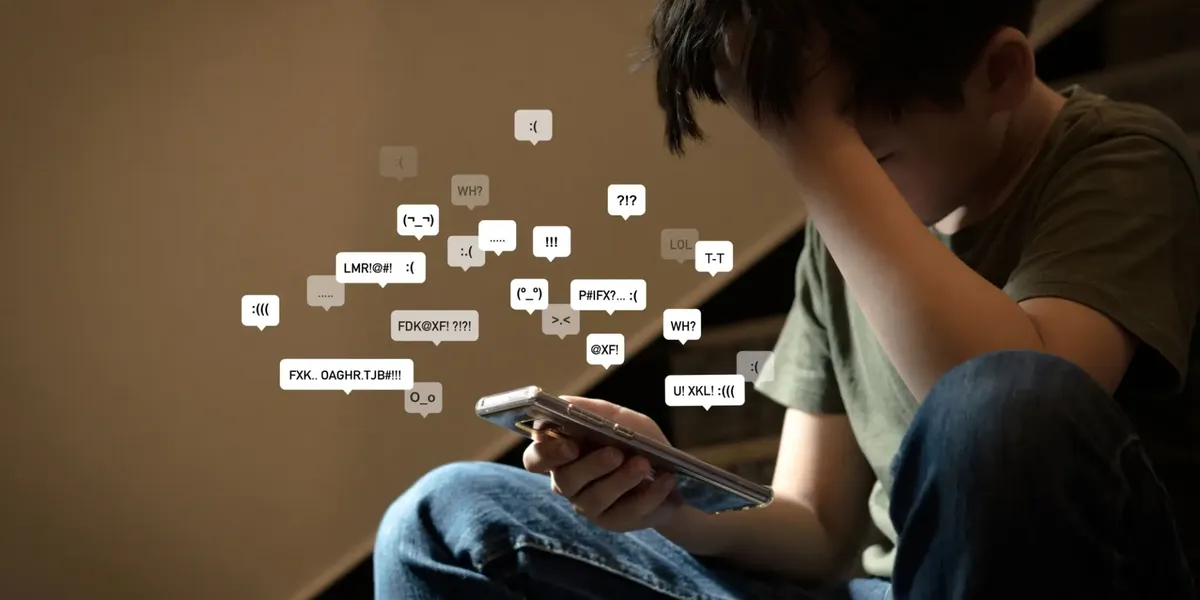
A child who can’t sit still, drifts off in class and melts down over homework may have ADHD. That same child might also be anxious. Or both. Parents are often surprised by how much these two conditions can look alike, and the difference matters, because the right support depends on what is actually driving the behavior.
Why ADHD and anxiety get confused
Both ADHD and anxiety can affect attention, behavior and mood. On the surface, a teacher or parent might see the same things:
- Trouble focusing. A child with ADHD may have difficulty sustaining attention. An anxious child may be focused, but on their worries instead of the lesson.
- Restlessness. Fidgeting can come from ADHD’s hyperactivity or from the physical tension of anxiety.
- Avoiding schoolwork. A child with ADHD may avoid tasks that require sustained effort. An anxious child may avoid tasks out of fear of failing or being judged.
- Irritability and meltdowns. Both can lead to frustration, especially at the end of a long school day.
- Sleep problems. Both are linked with trouble falling asleep, and poor sleep can make attention and mood worse.
Clues that point in different directions
No single sign settles the question, but clinicians look at patterns like these:
| More often seen with ADHD | More often seen with anxiety |
|---|---|
| Inattention shows up in two or more settings, such as home and school, even when the child is calm | Difficulty concentrating mainly when worried or in stressful situations |
| Several signs were present before age 12 and have been fairly steady | Signs may come and go with stressors, transitions or specific fears |
| Impulsive actions, such as blurting out or interrupting | Frequent “what if” questions, reassurance-seeking or stomachaches before school |
| Forgetfulness and disorganization even when calm | Perfectionism, or freezing up out of fear of mistakes |
Many children have both
ADHD and anxiety are not either-or. According to the CDC, about 4 in 10 children with ADHD also have anxiety (2022 national survey data). When both are present, treating only one can leave a child still struggling. For example, an anxious child may not get the full benefit of ADHD treatment until the anxiety is addressed, and the reverse can be true as well.
How a child psychiatrist sorts it out
A thorough evaluation looks at the whole child:
- Development and history. When did the signs start? Have they been present across different settings and ages?
- Input from home and school. Standardized rating scales from parents and teachers show how a child functions in different settings.
- Time with your child. Children can often describe worries that adults don’t see.
- Other possible explanations. Sleep problems, learning differences, medical issues or major life changes can all affect attention and mood.
The result is a clearer picture of what is going on, and a plan that may include parent guidance, therapy, school support or medication when clinically appropriate.
When to ask for an evaluation
Consider talking with a specialist if attention, worry or behavior is affecting your child’s schoolwork, friendships or family life, or if strategies that work for other children aren’t helping. You don’t need to know whether it is ADHD or anxiety before you call. Sorting that out is part of the purpose of the evaluation.
Learn more
Learn more about our ADHD Evaluation for Children and Teens and Child and Teen Anxiety care in East Setauket, or book through Zocdoc or by calling (631) 371-4844.
If you are in crisis, call or text 988. This content is for educational purposes only and is not a substitute for professional medical advice, diagnosis or treatment. Speak with a qualified provider about your situation.
Sources
- Centers for Disease Control and Prevention. Data and Statistics on ADHD. cdc.gov/adhd/data
- Wolraich ML, Hagan JF Jr, Allan C, et al. Clinical Practice Guideline for the Diagnosis, Evaluation, and Treatment of Attention-Deficit/Hyperactivity Disorder in Children and Adolescents. Pediatrics. 2019;144(4):e20192528.