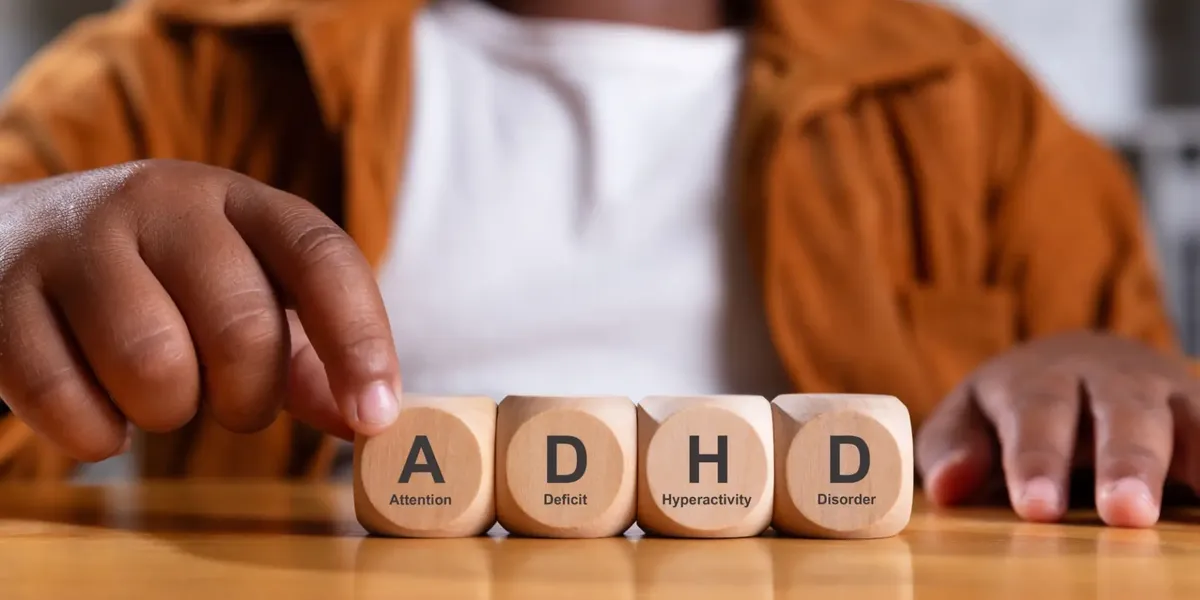
Once you’ve decided to have your child evaluated for ADHD, a little preparation goes a long way. The more information the psychiatrist has, the clearer the picture, and the more useful the recommendations. This checklist covers what to gather, how to talk with your child, and what to ask.
Why preparation matters
ADHD is diagnosed through a careful clinical evaluation, not a single blood test, questionnaire or scan. National pediatric guidelines call for information from more than one setting, such as home and school, and for checking whether other conditions could explain the symptoms or are present alongside ADHD. The records and observations you bring are a big part of that.
Checklist: what to gather
School information
- ☐ Recent report cards and progress reports
- ☐ Teacher comments, emails or notes about attention, behavior or work completion
- ☐ Any IEP, 504 plan or school evaluation reports
- ☐ Standardized test results, if available
Rating scales
- ☐ Any questionnaires the practice sends ahead of time, completed by you and, if requested, by your child’s teacher
Health and development
- ☐ Your child’s pediatric records, including hearing and vision screenings
- ☐ A list of current medications, vitamins and supplements
- ☐ Notes on developmental milestones, such as speech, walking and toilet training
- ☐ Information about sleep habits, including bedtime, snoring and night waking
Family history
- ☐ Any relatives with ADHD, learning differences, anxiety, depression or other mental health conditions
Prior evaluations
- ☐ Reports from psychologists, speech or occupational therapists, or other specialists
Write down examples
Specific examples help more than general descriptions. Before the appointment, jot down:
- When you first noticed the concerns, and whether they have changed over time
- Where they show up: home, school, sports, with friends
- What a typical homework session or morning routine looks like
- What has helped, and what hasn’t
How to talk with your child about the visit
Keep it honest and simple. For younger children: “We’re going to meet a doctor who helps kids with things like focusing and feelings. You’ll talk and maybe do some activities.” For teens, involve them: ask what they find hard and what they would like help with. Teens are more engaged when they feel heard, not discussed. Our guide How to Talk to Your Child About Seeing a Psychiatrist has more ideas.
Questions you may want to ask
- What did you see that supports, or doesn’t support, an ADHD diagnosis?
- Could anything else be contributing, such as anxiety, sleep or a learning difference?
- What are the treatment options, and what do you recommend first?
- What can we do at home, and what should we ask the school for?
- How will we know if the plan is working?
What happens after the evaluation
The psychiatrist will explain the findings and recommend next steps. A plan may include parent guidance, behavioral strategies, school support and, when clinically appropriate, medication with regular follow-up. If you would like to know more about follow-up care, read ADHD Medication Management: What to Expect.
Ready to schedule?
New child patients are usually seen within one week. Learn about our ADHD Evaluation for Children and Teens in East Setauket, or book through Zocdoc or by calling (631) 371-4844.
If you are in crisis, call or text 988. This content is for educational purposes only and is not a substitute for professional medical advice, diagnosis or treatment. Speak with a qualified provider about your situation.
Sources
- Wolraich ML, Hagan JF Jr, Allan C, et al. Clinical Practice Guideline for the Diagnosis, Evaluation, and Treatment of Attention-Deficit/Hyperactivity Disorder in Children and Adolescents. Pediatrics. 2019;144(4):e20192528.