Complicated Grief and Prolonged Grief Disorder: Understanding Symptoms and Treatment

Grief is one of the most universal human experiences, and also one of the most misunderstood. For most people, the ache of losing someone we love softens over time, even when we never stop missing them. But for a smaller group, grief does not loosen its grip. Months pass, then a year, then two, and […]
Why medication management matters for mental health

Medication management is a foundational part of evidence‑based mental healthcare. Medications can be essential tools, and thoughtful medication management makes sure people receive the right psychiatric medicines through careful prescribing, regular monitoring, and timely adjustments tailored to each person. When medication is managed well, symptoms can decrease, daily functioning can improve, and quality of life can […]
Medication Management — Making Sense of Your Treatment Options for Mental Health

Medication management is a key part of mental health care that helps ease symptoms and improve day-to-day functioning. Choosing a treatment path can feel confusing because several valid approaches exist. This article summarizes the main options, explains how they work, and outlines realistic benefits to expect. Knowing your choices makes it easier to take an […]
How to Recognize Symptoms of Anxiety and Depression
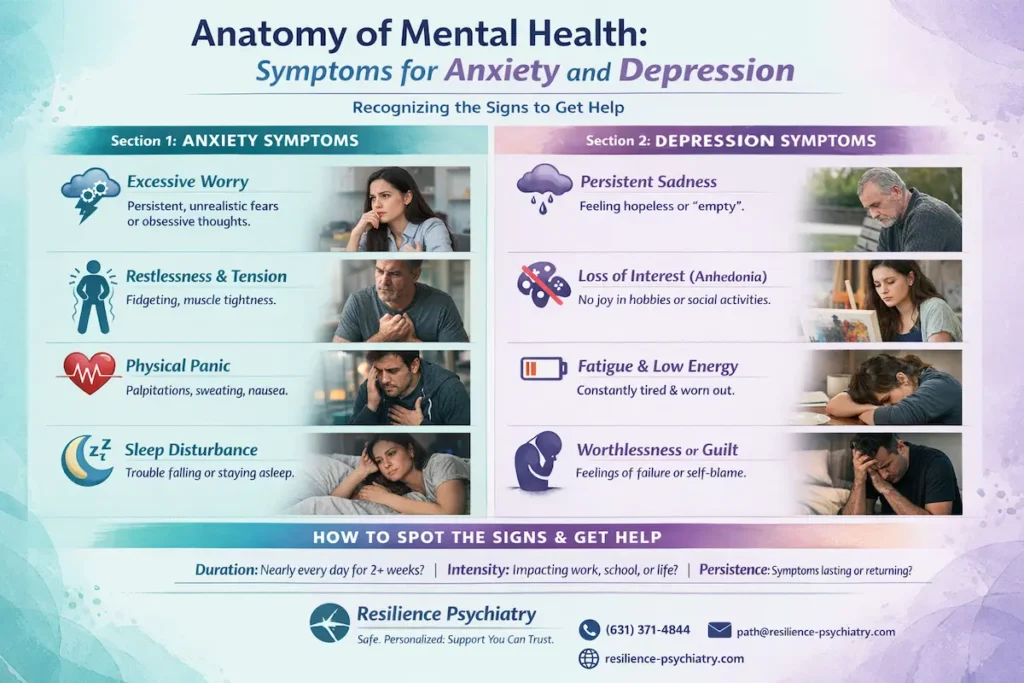
Anxiety and depression are common mental health conditions that can meaningfully reduce day‑to‑day quality of life. Noticing symptoms early makes it easier to get accurate help and start effective treatment. This article outlines typical signs of anxiety and depression, early warning indicators, when a psychiatric evaluation is advisable, and common treatment options so you can […]
What Are the Different Types of Psychiatric Treatments?
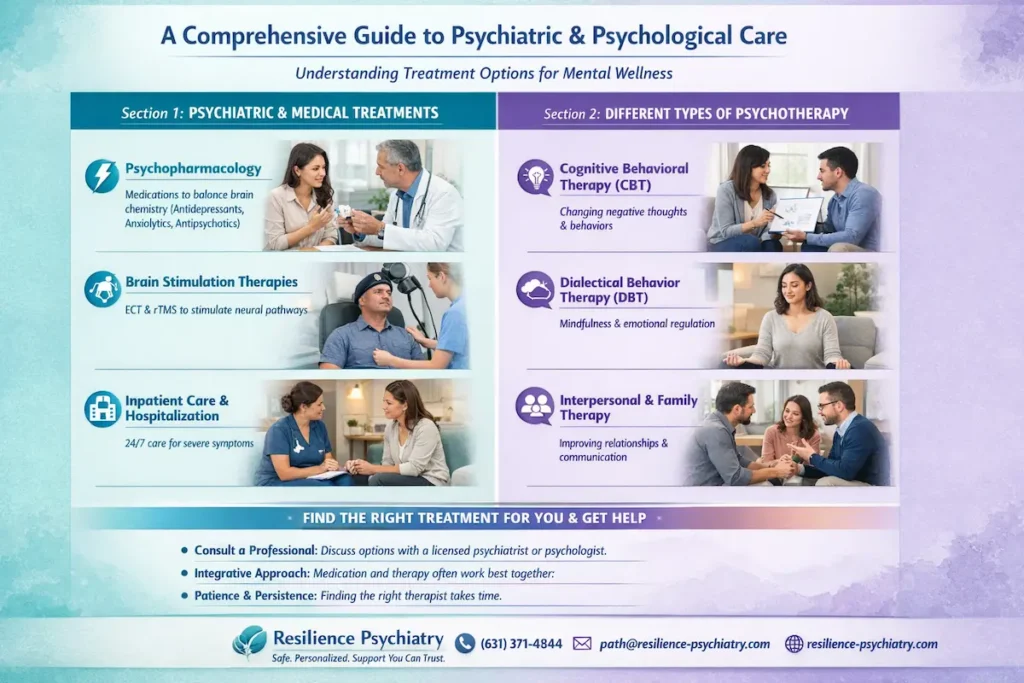
Psychiatric treatments include several evidence-based approaches designed to improve mental health and daily functioning. Common options for psychiatric treatments include psychotherapy, medication management, and telepsychiatry. Knowing these choices helps you weigh alternatives and make informed decisions about your mental health care. This article outlines the main categories of psychiatric treatments, how psychotherapy and medications are […]
Understanding Behavioral Health Support — Your Practical Guide

Behavioral health support covers a range of services designed to protect and improve mental and emotional well‑being. This guide explains what those services include, why they matter, and where to look for help. Many people face mental health challenges that make daily life harder; understanding how behavioral health services work helps you find practical, evidence‑based […]
Medication Management — Understanding Your Treatment Options for Mental Health

Medication management is an important part of mental health care that helps reduce symptoms and improve daily functioning. Choosing a treatment path can feel overwhelming because there are several valid approaches. This article outlines the main options, how they work, and what benefits you can reasonably expect. Knowing your choices makes it easier to take […]
Medication Management in Psychiatry: Improving Outcomes and Everyday Well‑Being

Medication Management is a cornerstone of psychiatric care. Regular, thoughtful monitoring helps keep symptoms steady, lowers relapse risk, and supports a fuller quality of life. Many mental health conditions have biological contributors—differences in brain chemistry—and medication management directly addresses these factors to reduce distress and restore balance. This guide explains consistent medication management: its benefits, common […]